Last updated: August 10, 2026
Quick Answer: If you are asking how much emergency fund do you need as beginner, a practical starting point is $500 to $1,000, then one month of essential expenses, then three months if your job or life is less stable.
Starting from zero? Then don’t aim for six months right out of the gate. A better beginner target is one month of essential bills, and then, once income and spending settle down, three months. Unstable work, unpredictable health costs, or supporting other people? Push the number higher.
Quick Answer / Key Facts
- Starter goal: $500 to $1,000
- Next goal: one month of essential expenses
- Longer-term goal: three months of essentials, or more for unstable income
- Keep it: in a separate savings account
- Use it for: urgent, necessary, hard-to-predict expenses
The short answer: start with a small, real number
A $500 to $1,000 emergency fund is a sensible first stop for most beginners, followed by a second milestone: one month of bare-bones living costs. That is enough breathing room for a flat tire, a dentist bill, a replacement phone, or even a week without income—without pushing you straight into debt.
I say “starter” for a reason. Beginner savings are not the polished, ideal version financial writers love to describe. Six months sounds tidy on paper. In real life, especially when you’re living paycheck to paycheck, it can feel like a brick wall. People quit fast.
A useful order looks like this:
- Starter cushion: $500–$1,000 for immediate surprises
- First real fund: one month of essential expenses
- Stronger fund: three months of essential expenses
- Higher-risk fund: six months or more, if your situation calls for it
Sounds like a lot? Fair. But the goal is not to build the whole thing overnight. It’s to keep one emergency from turning into a debt spiral. That is the whole trick.
How to decide your number without guessing
Your real life sets the target, not a slogan. I would begin with essential monthly expenses, not total spending. Essentials are the bills that keep life moving:
- Rent or mortgage
- Utilities
- Groceries
- Transportation
- Insurance
- Minimum debt payments
- Basic child or dependent costs
- Prescriptions and regular medical needs
Leave the extras out for now. Dining out, subscriptions, travel, hobbies, shopping, upgrades — those belong in the budget, sure, but not in the emergency target.
Here is the simple math:
Starter emergency fund = one month of essential expenses × 1 to 3
If your essentials are $2,000 a month, then:
- 1 month = $2,000
- 3 months = $6,000
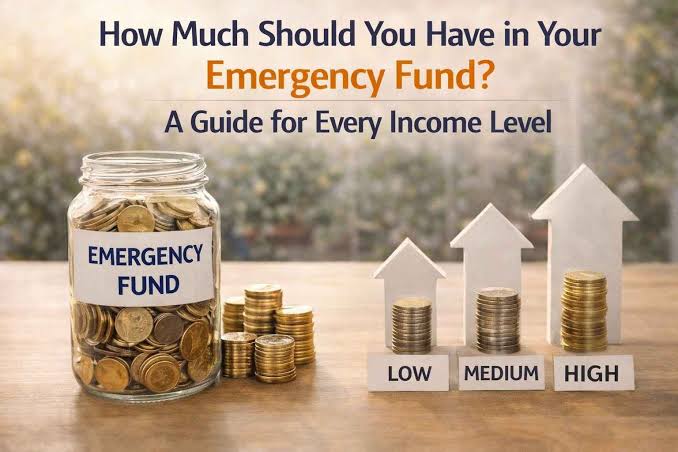
Early-career and a little shaky? I’d start low. Dependents, variable income, or a job market that could take a while to bounce back? Move toward the higher end.
Generic advice often messes this up by focusing only on “income” or “take-home pay.” That can be misleading. Someone earning more may still need less cash set aside than a lower earner if fixed costs are lean and the job is stable. Funny how that works.
A practical table for beginners
Use this as a starting point, not a rule carved into stone.
| Situation | Good starting target | Why it fits |
|---|---|---|
| Very tight budget, debt payoff is urgent | $500 to $1,000 | Prevents small emergencies from becoming new debt |
| Single renter with stable hours | 1 month of essentials | Enough to handle a short income hit |
| New graduate or early-career worker | 1 to 2 months of essentials | Career instability makes small cushions useful |
| Family with dependents | 3 months of essentials | More moving parts, more ways a bill can show up |
| Freelance, commission, seasonal, or gig income | 3 to 6 months of essentials | Income can dip without warning |
| Single-income household | 3 to 6 months of essentials | One paycheck loss hits harder |
| High medical risk or chronic expenses | 3 to 6 months of essentials, plus medical reserve if needed | Health costs can arrive in clusters |
Beginners need a blunt answer here. A big pile of cash is not always the first move. If high-interest debt is hanging over you, there’s a trade-off between building a bigger reserve and paying down expensive balances. I’d still keep a small emergency fund in place. But I would think twice before hoarding cash while interest chews away at debt. If you’re unsure, a financial professional can help you sort out the balance.
What counts as an emergency, and what does not

This question matters because the size of your fund depends on what you let it cover.
A real emergency is something that is:
- Urgent
- Necessary
- Hard to predict
- Hard to cover from your normal monthly budget
Examples:
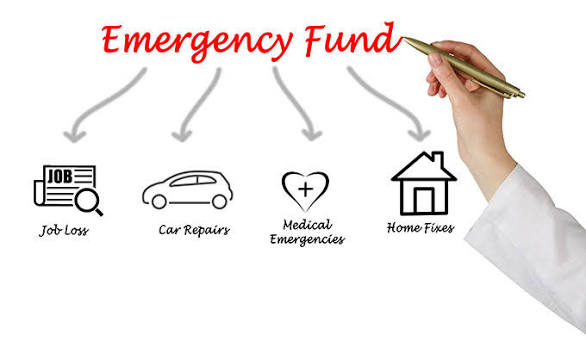
- Car repair when you need the car to work
- Medical or dental expense not covered by insurance
- Temporary loss of income
- Emergency travel for a family issue
- Home repair that protects safety or habitability
Things that are usually not emergencies:
- Holiday spending
- Vacation deposits
- Concert tickets
- A better laptop when the old one still works
- Sale items
- Routine annual bills that you can plan for
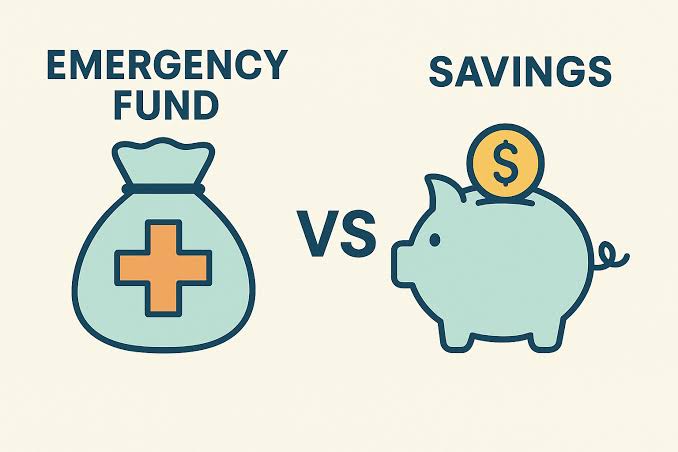
I prefer to separate true emergencies from “expected surprises.” Car registration, insurance renewals, school fees, and holiday gifts may come at odd times, but they’re predictable. Those belong in sinking funds, not in your emergency fund. Mix them together and the account gets chipped away by normal life, then fails when you need it most.
Where to keep the money so it actually helps
A beginner usually does best with money that is easy to reach but not too easy to spend. I would keep it in a separate savings account rather than checking, and not in investments that can lose value when markets fall.
Why?
- Checking account: too easy to spend accidentally
- Cash at home: useful for a small backup, but risky for theft, fire, or loss
- Stocks or funds: can drop right when you need the money
- Separate savings account: easier to protect from day-to-day spending
The trade-off is growth. Cash savings may not earn much, and some people hate that part. I get it. Still, an emergency fund is insurance, not an investment. Its job is availability, not return.
Want a little physical cash for power outages, travel disruption, or bank access problems? Fine — keep it modest. Most of the fund should stay in the account you can reach quickly.
How to build it when money is tight
The hardest part is often simply beginning. I’d keep the process plain.
1. Set a first target you can hit
Pick a number that feels possible. For many people, that is $500 first. For others, it is one month of essentials. If the target feels impossible, it fades into the background.
2. Automate small transfers
Move money on payday, even if it is small. A recurring transfer of $10, $25, or $50 can work better than big promises you never keep. The habit matters more than the size.
3. Use windfalls strategically
Tax refunds, gifts, bonuses, side-income payments, and cash-back rewards can speed things up. I would not count on windfalls, but when they show up, I would send them here.
4. Cut one temporary expense
Pick one category you can trim for a few months. That might be takeout, app subscriptions, or impulse buys. The goal is room, not misery.
5. Keep the fund visible
Name the account “Emergency Fund” or something equally plain. A label helps. Money with a job is easier not to spend.
If you are building this fund in a place like Phoenix, Mesa, Chandler, Tempe, Scottsdale, or Gilbert, the principle stays the same. Local rent, car dependence, and summer cooling bills may change the number, but not the method. Your essentials set the target.
When a beginner should aim for more
Not every beginner should stop at one month. I would raise the target if any of these fit:
- Your income changes from month to month
- You are self-employed, freelance, or commission-based
- You have children or other dependents
- You rent in a market where moving costs are high
- Your job would take time to replace
- You have medical needs that can trigger extra expenses
- You rely on a car that would be costly to repair or replace
- You live alone and have no second income in the household
A bigger cushion may also make sense in places with seasonal disruptions. Where summer heat strains cars and air conditioners, or winter storms interrupt work and travel, a repair bill can hit at the worst possible moment. In Arizona, for example, I’d think carefully about car and home cooling needs as part of the emergency picture. In a snowy state, winter travel, heating, and storm delays deserve attention too. The exact number is personal. Local conditions aren’t trivia.
Lifestyle matters here as well. If rent swallows most of your income, a three-month fund may take a long time to build. That does not mean you failed. It means the target has to fit your current life.
Red flags to avoid
A few mistakes can make an emergency fund look bigger than it is:
- Counting retirement money as emergency cash
- Putting the fund in a high-risk investment
- Using the fund for planned purchases
- Keeping it in the same account as spending money
- Trying to save the full goal before starting smaller goals
- Skipping the fund entirely because debt feels more urgent
That last one comes up a lot. I would not tell a beginner to ignore debt forever. I also wouldn’t let them sit one flat tire away from new debt. A small cushion and a debt plan can coexist.
One more honest limitation: if your income is so unstable that even a starter fund feels out of reach, the emergency fund may not be the only problem. You may need to look at income, housing cost, transportation, or debt load at the same time. An emergency fund helps, but it cannot patch a budget that is structurally broken.
Alternatives and vs.
If you are choosing between a beginner emergency fund and other savings priorities, the real question is emergency fund vs. debt payoff or emergency fund vs. investing. For most beginners, I would keep a small cash cushion first, then split extra money between high-interest debt and other goals. A savings account is also the safer home for this money than a brokerage account, because the point is access, not market growth.
What is the best emergency fund amount for a beginner?
For most beginners, I would start with $500 to $1,000, then work toward one month of essential expenses.
Is one month enough?
It can be a good first milestone, especially if your job is stable and your expenses are lean. If your income is unpredictable or you support others, I would aim higher.
Should I pay off debt before saving an emergency fund?
Usually I would do both in some form: build a small emergency fund first, then attack high-interest debt while continuing to save. If your debt is expensive, consider speaking with a qualified financial professional about the right balance.
Where should I keep emergency money?
A separate savings account is usually the cleanest choice. It keeps the money accessible without making it too easy to spend.
Can I use my emergency fund for same-day expenses?
Yes, if the expense is truly urgent and necessary. Same-day access is part of the point. If it is a planned purchase, it probably belongs in a different savings bucket.
Do I need a free estimate to build this fund?
No, but if you are dealing with a possible car repair, home repair, or medical bill, getting estimates can help you decide how much cushion to keep.
My bottom line
If you are a beginner, don’t get stuck on the idea that emergency funds have to start at six months of expenses. I would begin with $500 to $1,000, then build to one month of essentials, and keep going only if your life calls for more.
The right amount is the one that stops a surprise from becoming a crisis. For some people, that means one month. For others — especially where work is unstable, dependents are involved, or local living costs are high — it means three months or more. Start where you can. Keep it separate. And make the first goal small enough that you’ll actually finish it.