Last updated: August 10, 2026
- People say, “Save three months of expenses,” and skip the fact that the reader may not have $300 left after rent.
- Emergency fund basics are really about one blunt idea: keep a surprise from turning into debt.
- People save money and still come up short when the first true emergency hits.
- I would define an emergency fund with three tests: It is separate from checking.
Quick Answer / Key Facts: For most households, emergency fund basics start with a starter cushion of $500 to $2,000, then build toward 3 to 6 months of essential expenses. Job stability, rent, dependents, and local costs all shape the right number. The Consumer Financial Protection Bureau (CFPB) and FDIC both recommend keeping emergency money accessible in a safe deposit account, and the Federal Reserve has reported that many adults would struggle to cover a $400 surprise expense with cash. This emergency fund basics — complete guide explains how to set that amount, where to keep it, and when to use it.
A dead car battery at 7 a.m. can wreck a week. So can a roof leak. Emergency fund basics are really about one blunt idea: keep a surprise from turning into debt. When your hours get cut or a repair bill lands on the table, this cash buys time. I think of it as the space between a bad day and a financial spiral.
What an emergency fund actually is
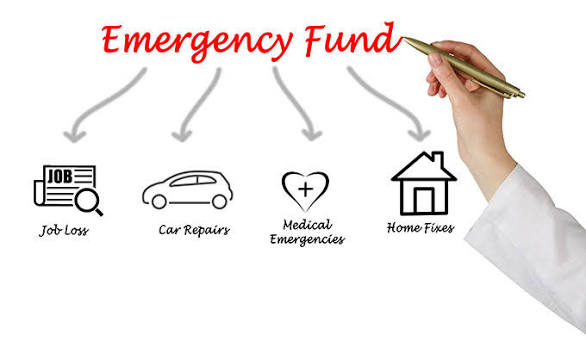
An emergency fund is not a savings account for anything that feels urgent. It is reserved for real, unavoidable costs that arrive without warning: job loss, medical bills, a broken furnace, a car repair you cannot delay, or a flight home for a family crisis.
That line gets blurred fast. People save money and still come up short when the first true emergency hits. Why? Because they spend from the fund on expected bills, wish-list buys, and “cheap” chances that are not emergencies at all.
I would define an emergency fund with three tests:
- It is separate from checking.
- It is easy to access within a day or two, not locked away for months.
- You only touch it when the alternative is debt, missed rent, missed work, or a serious disruption.
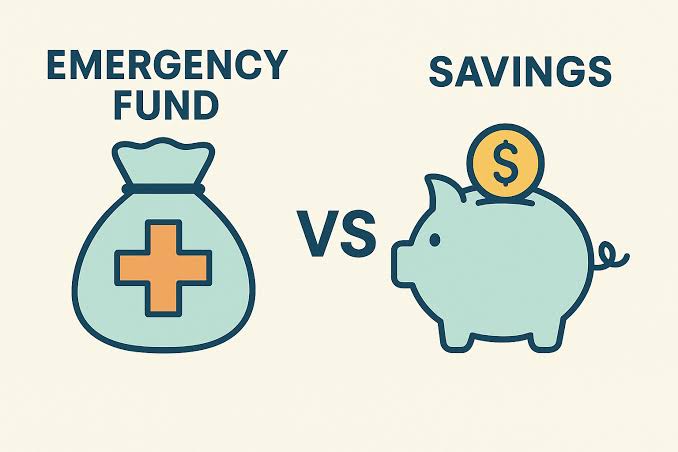
And it is not the same as:
- A retirement account, which should usually stay untouched.
- An investment account, which can drop in value right when you need it.
- A sinking fund for planned expenses, like holiday gifts or annual insurance premiums.
One thing to keep in mind: this money is not about squeezing every last dollar of return. It is about stopping one problem from becoming five. Simple. Unglamorous. Effective.
How much you should save first
People love a neat rule here, but the honest answer is that the right amount depends on your life. I would not tell a renter with stable work and low fixed costs to save the same amount as a single-income household with children, a car payment, and variable hours.
A practical way to think about it:
The starter fund
When you are starting from zero, build a starter emergency fund first. That amount should be enough to keep a small crisis from turning into a payday loan or credit-card balance.
For many people, the first target is a few hundred to a few thousand dollars. I am avoiding a hard number here because the right starter goal depends on rent, transit access, insurance, and how quickly you could replace income.
This starter fund is for people who are still fighting fires:
- You have debt and no savings.
- Your income is steady but thin.
- A small repair could wreck your month.
The full fund
After the starter fund is in place, aim for a larger cushion based on monthly essentials. The usual rule is several months of must-pay expenses, not several months of total spending. Big difference.
Your essentials usually include:
- Rent or mortgage
- Utilities
- Groceries
- Transportation
- Insurance
- Minimum debt payments
- Childcare you cannot easily cut
I would leave out luxury spending, subscriptions you can cancel, and meals out when calculating your target. The goal is to cover the life you would actually need to keep running if income stopped. Not the fun version. The real one.
A simple way to choose your target
Ask three questions:
- How stable is my income?
- How fast could I replace that income?
- How expensive is my life to keep running?
When your work is seasonal, commission-based, freelance, or tied to a shaky employer, I would keep a larger fund. If you have two incomes and low fixed costs, you may not need as much in cash. If you have dependents, medical conditions, or one car for the whole household, lean larger.
Who this advice is not for
This basic guide is not a substitute for advice from a licensed financial professional if you are dealing with a bankruptcy risk, a legal settlement, disability income issues, or a major tax problem. In those cases, the “right” emergency-fund size may depend on obligations I cannot assess from here.
Where to keep it so you can actually use it
A good emergency fund is easy to reach but hard to casually spend. That balance matters more than squeezing out a tiny bit of interest.
I would usually favor a separate high-yield savings account or another plain savings account at an FDIC-insured bank or NCUA-insured credit union, subject to account terms and limits. Safety and access come first. Yield comes later.
Good places to keep emergency cash
- A separate savings account at a bank you do not use for daily spending
- A credit union savings account if you prefer member-owned institutions
- A money market deposit account, if it gives you access and clear terms
Places I would usually avoid for emergency cash
- Stocks or stock-heavy funds
- A retirement account, unless you truly have no other choice and understand the penalties and tax consequences
- A safe at home for the entire fund, because theft, fire, and plain forgetfulness are real risks
What matters most in practice
I would focus on four things:
- Liquidity: Can you get the money quickly?
- Safety: Is the principal protected in a plain deposit account?
- Separation: Is it mentally distinct from spending money?
- Access: Can you move it without a multi-day hassle?
A common mistake is keeping the fund in the same app as checking and then treating the transfer button like a permission slip. Tempting, right? When that setup is risky for you, the CFPB suggests using a separate account and, if needed, getting help from a licensed financial professional to choose an approach that fits your situation. Another mistake is locking the money into a certificate of deposit that matures after the emergency has already passed. Boring is good here. The FDIC and CFPB both emphasize keeping emergency savings accessible in a safe account, not chasing yield at the expense of access.
A local reality check: what emergencies look like in different places
Emergency-fund advice sounds national, but real life is local. In a place with harsh winters, a furnace failure is not a nuisance; it is an urgent problem. In a city with unreliable transit, one car repair can threaten your job. In areas with high housing costs, even a short period of lost income can create a rent crisis.
When you live in Chicago, Minneapolis, Denver, the Northeast, or anywhere with a real winter season, I would expect heating and weather-related repairs to show up in the “emergency” bucket more often than people in mild climates assume. For a car-dependent suburb or exurb, I would give transportation a bigger share of the fund because one breakdown can affect school runs, work schedules, and groceries. For a high-rent market such as parts of the Bay Area, Los Angeles, New York, Boston, Seattle, or Washington, D.C., the fund often needs to be larger because the monthly floor is simply higher.
That local reality also changes what “urgent” means. A broken window in a safe apartment building may wait a day. A busted furnace in January probably cannot. A dead car battery in a dense downtown with transit access is a nuisance; in a spread-out suburb, it can be a full emergency.
The same goes for local rules and access. Some landlords, utility providers, and municipalities move faster or slower on emergency repairs. Some states have stronger tenant protections than others, which can affect how much cash cushion you need if a landlord dispute goes sideways. If you are unsure how your local laws affect housing, utilities, or employment, a local attorney, tenant group, or financial counselor can help.
How to build the fund without wrecking your budget
The safest way to fail is to treat emergency savings like a moral test. It is not. It is a system. I would build it with automatic transfers, clear targets, and a smaller monthly promise than you think you need.
Start with one transfer you will not hate
Pick an amount you can move on autopilot without missing rent. Set it too high, and you will cancel it after one overdraft scare and feel guilty for months. A smaller automatic transfer is better than a heroic plan that dies in week three.
When your cash flow is irregular, I would save right after each paycheck, not at the end of the month. People who freelance, work tips, drive gig shifts, or work seasonal jobs often do better with a percentage-based habit than a fixed date.
Use the “pay yourself second” method
As soon as income arrives, split it into:
- Essentials
- Emergency savings
- Everything else
That does not mean you must save a huge amount every time. It means savings gets treated as a real bill, not leftover money. The CFPB recommends automating savings when possible, and many financial counselors suggest the same approach because it reduces decision fatigue and makes the plan easier to keep.
Build with windfalls
Tax refunds, bonuses, cash gifts, overtime, and side income can do heavy lifting here. Whenever you get a chunk of money, I would route at least part of it to the fund before it gets absorbed into normal spending. The urge to “treat yourself” is strongest right after relief arrives, which is exactly when the emergency fund needs more attention. If spending impulses are hard to control, a licensed financial counselor can help you build guardrails that fit your budget.
Reduce the pain of building
When you are trying to build a fund while carrying debt, be honest about the trade-off. Sending every extra dollar to debt can save interest, but zero savings can force new debt the next time the car needs tires. I usually prefer a balance: build the starter fund first, then attack high-interest debt more aggressively.
That is not the mathematically pure path. It is the path that keeps real people from sliding backward.
What to do when you have debt and no savings
This is where most generic advice gets shallow. People say, “Save three months of expenses,” and skip the fact that the reader may not have $300 left after rent. The CFPB and many nonprofit credit counselors note that the first goal is often a small buffer, not a full six-month cushion.
When you have credit-card debt, student loans, medical debt, or personal loans, I would not tell you to choose between emergency savings and debt repayment as if one is always superior. The right move depends on your risk of needing cash soon.
My rule of thumb
When a small surprise would put you back on a card or into overdraft, I want you to build a starter emergency fund first. Even a modest cushion can stop the debt from growing.
After that, I would prioritize high-interest debt while keeping the fund alive. The debt costs more over time, but the emergency fund keeps you from borrowing for every setback.
When I would lean harder toward savings
- Your job is unstable
- You have children or other dependents
- Your transportation is unreliable
- You have no family or friend network to borrow from
- You are already using credit cards to fill basic gaps
When I would lean harder toward debt payoff
- You have steady income
- You already have a starter fund
- Your debt interest is crushing your budget
- Your life has low volatility and low surprise costs
This is a real trade-off. Saving a large cash cushion while carrying expensive debt can feel safe, but it may also keep you stuck. Paying debt down to zero while keeping no cash can feel disciplined, but one flat tire can blow up the whole plan. I would choose the middle path more often than either extreme.
Red flags and common mistakes
I see the same mistakes over and over, and they cost people real money.
Mistake 1: Making the fund too easy to raid
When your emergency money sits in the same account as rent and groceries, you will spend it by accident or habit. Separation matters.
Mistake 2: Saving for “emergencies” that are actually predictable
Car registration, insurance premiums, holiday gifts, annual school costs, and home maintenance are real expenses. They just are not emergencies. Create separate sinking funds for those.
Mistake 3: Waiting for the “right time” to start
There is no perfect month. When you can only save a little, save a little. A tiny emergency fund is still better than none.
Mistake 4: Chasing return at the expense of access
A fund that earns more but takes days or weeks to access can fail when the furnace dies tonight.
Mistake 5: Using the fund and never refilling it
When you dip into the money, rebuilding it should become your next financial priority. Otherwise the same emergency can hit twice.
Mistake 6: Calling a want an emergency
I am not saying every fun purchase is reckless. I am saying the label matters. When you use emergency money for a vacation, a nicer phone, or a sale you do not want to miss, you are training yourself to treat safety cash like spending cash.
Mistake 7: Assuming help will always be available
Family and friends can be generous, but they are not a reliable emergency plan. People move, lose jobs, get sick, and have limits. A fund is your own first line of defense.
How to use the fund the right way
When an emergency happens, the fund should reduce pressure, not add confusion. I would follow a simple rule: spend from it only when it protects housing, health, transportation, or income, or when waiting would make the problem much worse.
A few examples that usually qualify
- Your car needs a repair so you can get to work
- Your landlord will not wait for rent after a job loss
- Your furnace breaks during cold weather
- You face an urgent medical or dental expense
- You must travel for a family emergency and have no other source of funds
A few examples that usually do not
- A sale on something you already wanted
- A vacation
- A routine haircut
- A phone upgrade because yours is old
- A known annual bill you forgot to budget for
If you use the fund, refill it
I would treat refilling the fund like paying yourself back. Once the crisis passes, split future savings between rebuilding the cushion and handling whatever debt or bills the emergency created. Skip that step, and your safety net quietly thins out.
Local cost table: what to keep ready for common emergencies
Emergency funds are personal, but the costs people prepare for often vary by place. In colder cities, heating repairs and weather damage may show up more often. In car-dependent suburbs, transportation failures may be the biggest issue. In high-cost cities, even a short interruption in income can make rent the hardest number to cover.
I am not giving hard prices here because exact costs vary too much by region, urgency, and provider. But I would plan for the general ranges below with a local mindset.
| Emergency type | What it often affects locally | How I would think about the fund |
|---|---|---|
| Car repair | Suburban and exurban commuters, especially where transit is limited | Keep enough cash to cover a meaningful repair without putting rent on a card |
| Furnace or heating issue | Cold-weather places like Chicago, Minneapolis, Boston, Denver, and similar climates | Reserve more cash if winter outages would make the home unsafe |
| Rent gap after job loss | High-rent cities and single-income households | A larger fund matters because monthly fixed costs are harder to compress |
| Medical or dental surprise | Anyone without strong coverage or savings | Keep enough to avoid delaying care or financing the bill with high-interest debt |
| Urgent travel for family crisis | People with relatives in other cities or countries | Think in terms of access to cash plus speed, not just savings size |
| Appliance failure | Homes and apartments where replacement or repair is not optional | Separate this from planned home maintenance if possible |
The local point is not that one region is “harder” than another in a vague way. It is that the shape of emergencies changes with climate, commute patterns, housing costs, and local access to services.
How to adjust the fund as life changes
An emergency fund is not a one-time project. I would revisit it when your life changes, because the risks change too.
You should probably rethink the size if you:
- Move to a more expensive city or neighborhood
- Buy a car or lose access to transit
- Have a child
- Become a single-income household
- Start freelance, contract, or seasonal work
- Take on a mortgage
- Move somewhere with harsher weather
- Lose a family support system nearby
On the flip side, you might be able to trim the target a bit if:
- You reduce fixed expenses
- You have more than one income again
- You gain strong benefits or insurance
- You move closer to work and cut transportation risk
- Your spending floor drops in a meaningful way
I would not overcorrect either way. This is about matching the fund to your current risk, not chasing a perfect formula.
Emergency fund FAQ
How fast should I build one?
As fast as you can without creating new problems. When aggressive saving makes you miss bills, the plan is too aggressive. Automatic, steady contributions beat bursts of enthusiasm. The CFPB encourages setting an amount you can sustain and reviewing it as your situation changes.
Should I keep cash at home?
A small amount for immediate needs can make sense, but I would not keep the whole fund there. Theft, fire, and simple misplacement are too risky.
Can I use a credit card instead of an emergency fund?
A credit card can bridge a true emergency, but it is debt, not a fund. If you already know you will carry the balance, the card becomes expensive fast.
Is a home equity line of credit an emergency fund?
Not really. It can be a backup source for some homeowners, but it is still borrowed money and it uses your home as collateral. I would treat it as a backstop, not a first-line plan, and I would get professional advice before relying on it.
What if I am self-employed?
I would keep a larger buffer than a salaried worker, because income can swing from month to month. If your work is seasonal or commission-based, a bare-bones savings target is usually too small.
Do I need a separate fund for home repairs?
Yes, if you own a home. A home has predictable problems as well as emergencies. I would keep sinking funds for regular maintenance and a separate emergency fund for the sudden, serious stuff.
Can I still invest if I have no emergency fund?
You can, but I would usually put the first dollars toward a starter emergency fund before aggressive investing. The reason is simple: